• Skip to primary navigation
  • Skip to main content
  • Skip to footer

Fundamentally Feline

  • Home
  • About
    • About Cat Behaviorist Ingrid Johnson
    • Ingrid in the Media
    • Muses
  • Education
    • Client Handouts & Articles
    • Feline Fundamentals
  • Videos
    • About Our Videos
    • How-To Videos
    • Foraging Videos
    • Training Videos
    • Behavior & Enrichment Videos
  • Services
    • What We Offer
    • Behavior Consulting
    • Medicating Consults
    • Vertical Space
    • Litter Box Cutting Service
    • Testimonials
  • Shop
    • Shop All Products
    • Foraging Toys
    • Scratching
    • Vertical Space DIY Components
    • Swag for Humans
  • Contact

declawing

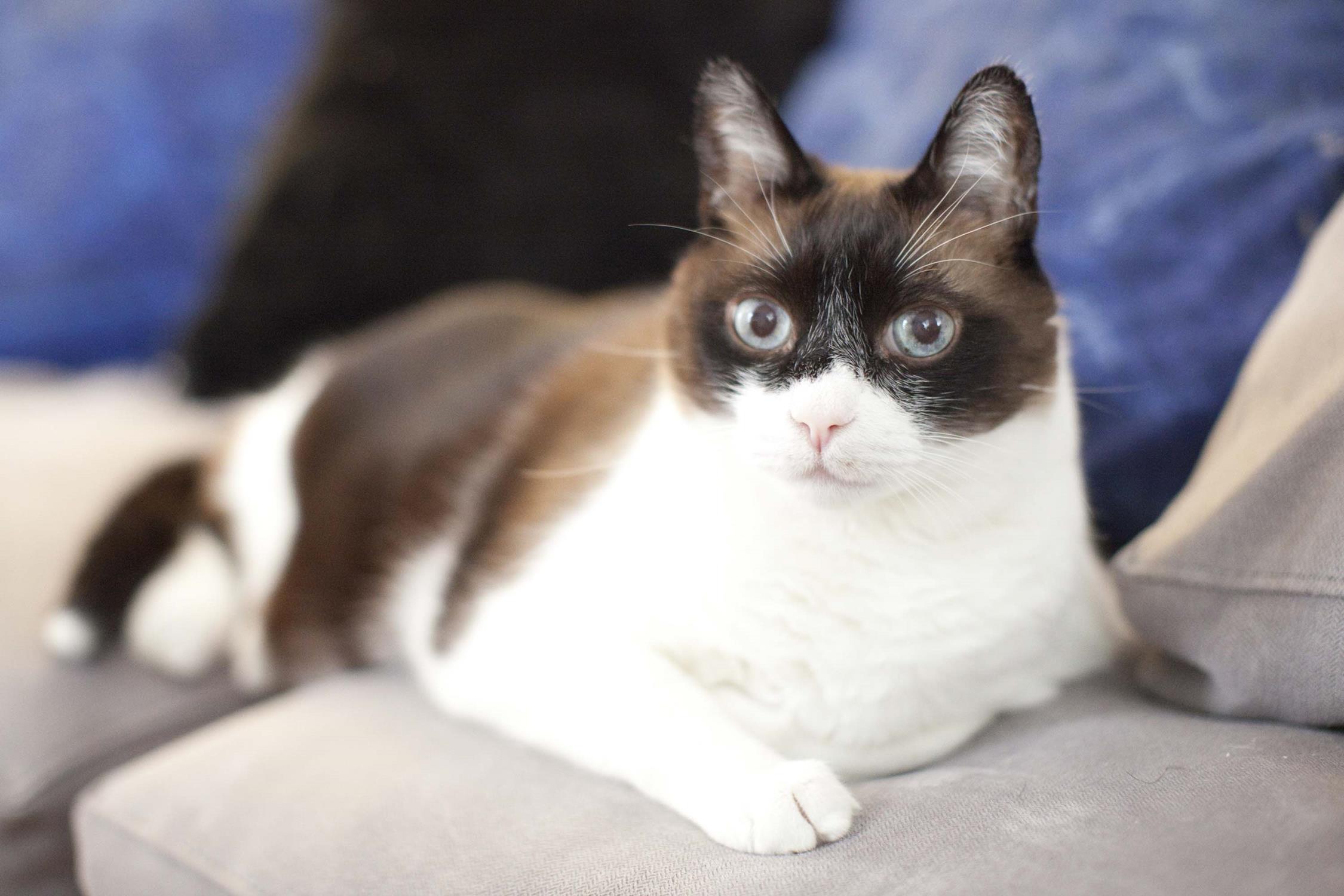
Kodiak Bears

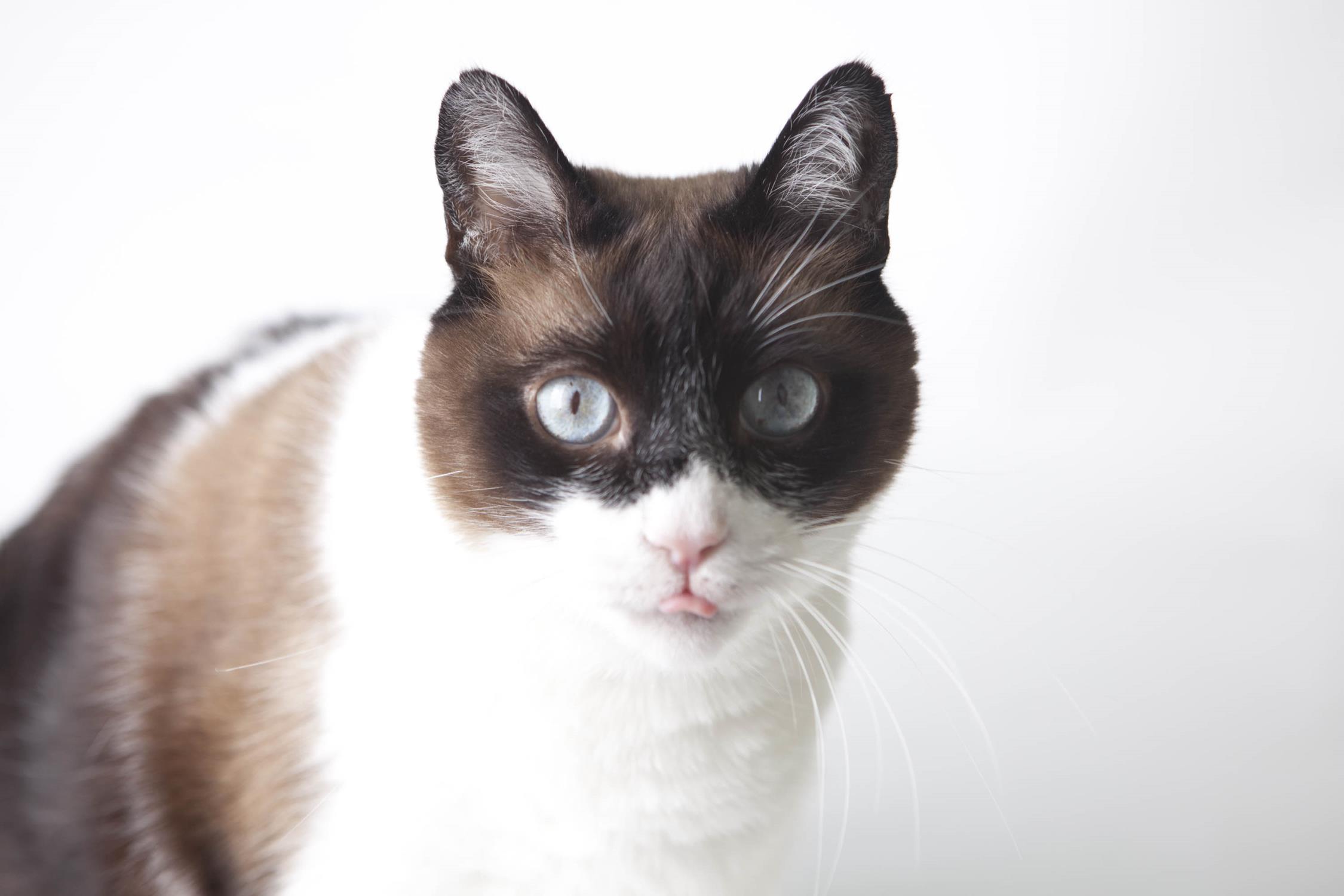
A thoughtful pose taken during our professional photo shoot!

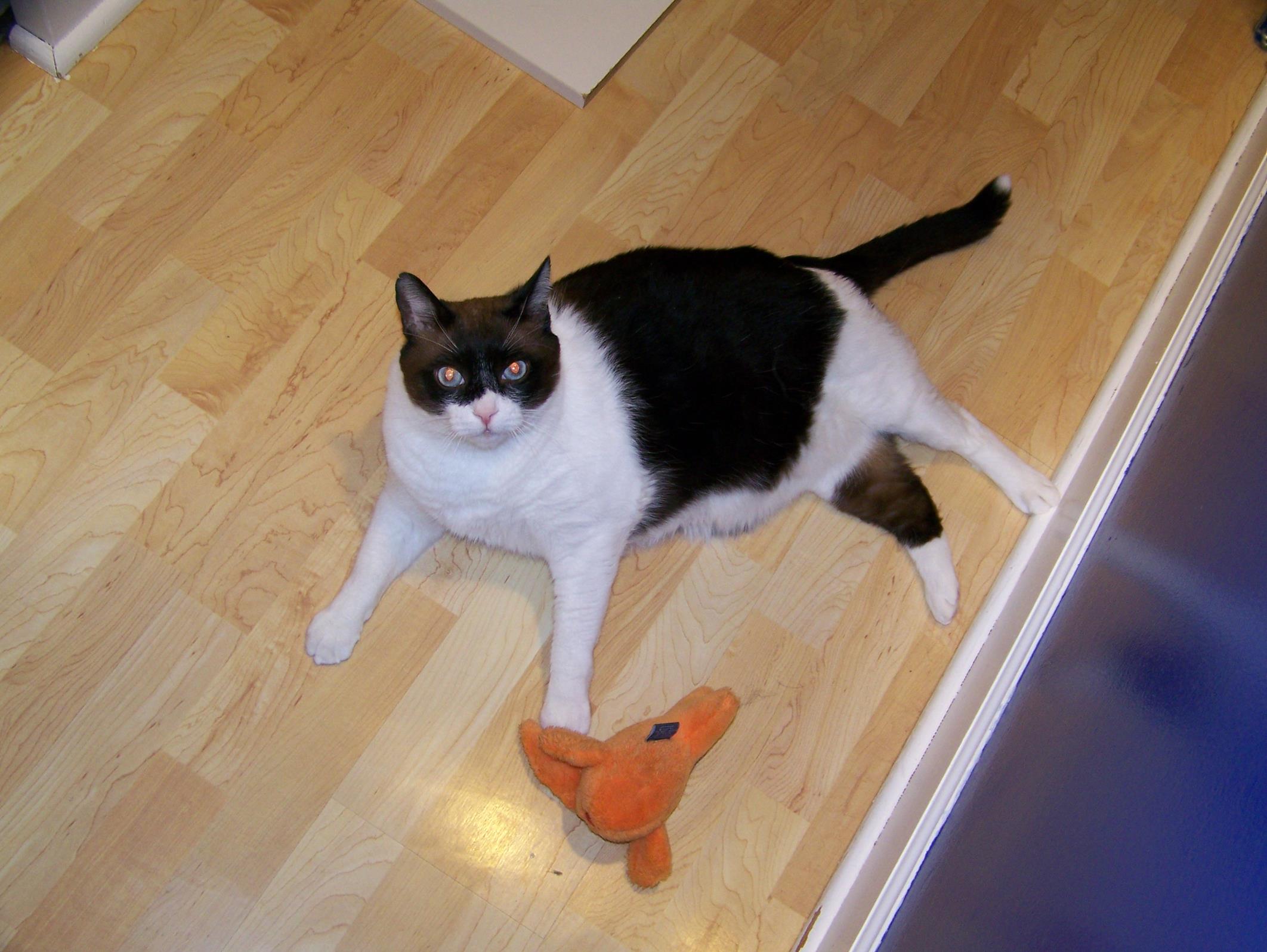
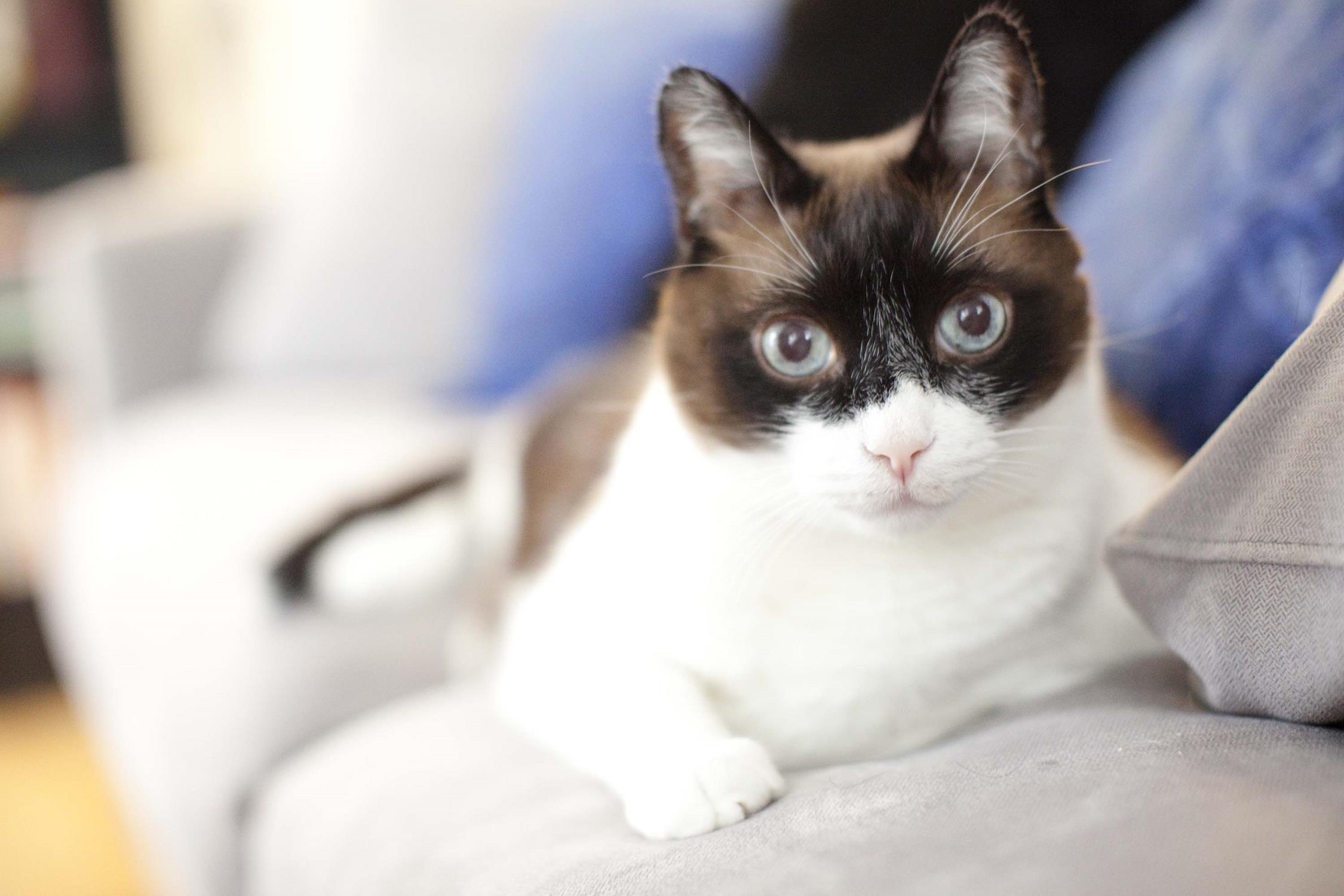
Kodiak was brought into the practice where I was employed at the time. His original name was Issac. He had been abandoned outside of an apartment complex and brought in by a local cat rescue. He was a stunning cat, but Kodiak had some baggage. He was all four-paw declawed (AND LEFT OUTSIDE!) We performed our usual intake protocol getting him ready for adoption, but in doing so we discovered how mutilated his little feet were. Nonetheless, we put him in our adoption room in hopes of finding him a new family. He was marveled at and inquired about daily; he was super handsome after all.

We learned quite quickly that Kodiak was a biter, likely why he was left outside where he was defenseless having no claws. We began warning people not to touch or pet him too much. It is a bit challenging to adopt out a cat when you have to tell people not to interact with him. He was so soliciting of affection and good looking making him a bit hard to resist. Finally, we had a taker. A cat savvy parent that understood he was a bite risk but wanted to take on the challenge anyway. We adopted Kodiak to her with specific instructions on managing the behavior. Fingers crossed off he went to home number two.

A few weeks later Kodiak was returned for biting. It happened a few too many times and a bit too hard, so the family decided it was not the right fit. So, does declawing keep cats in their homes? The answer is vehemently no.
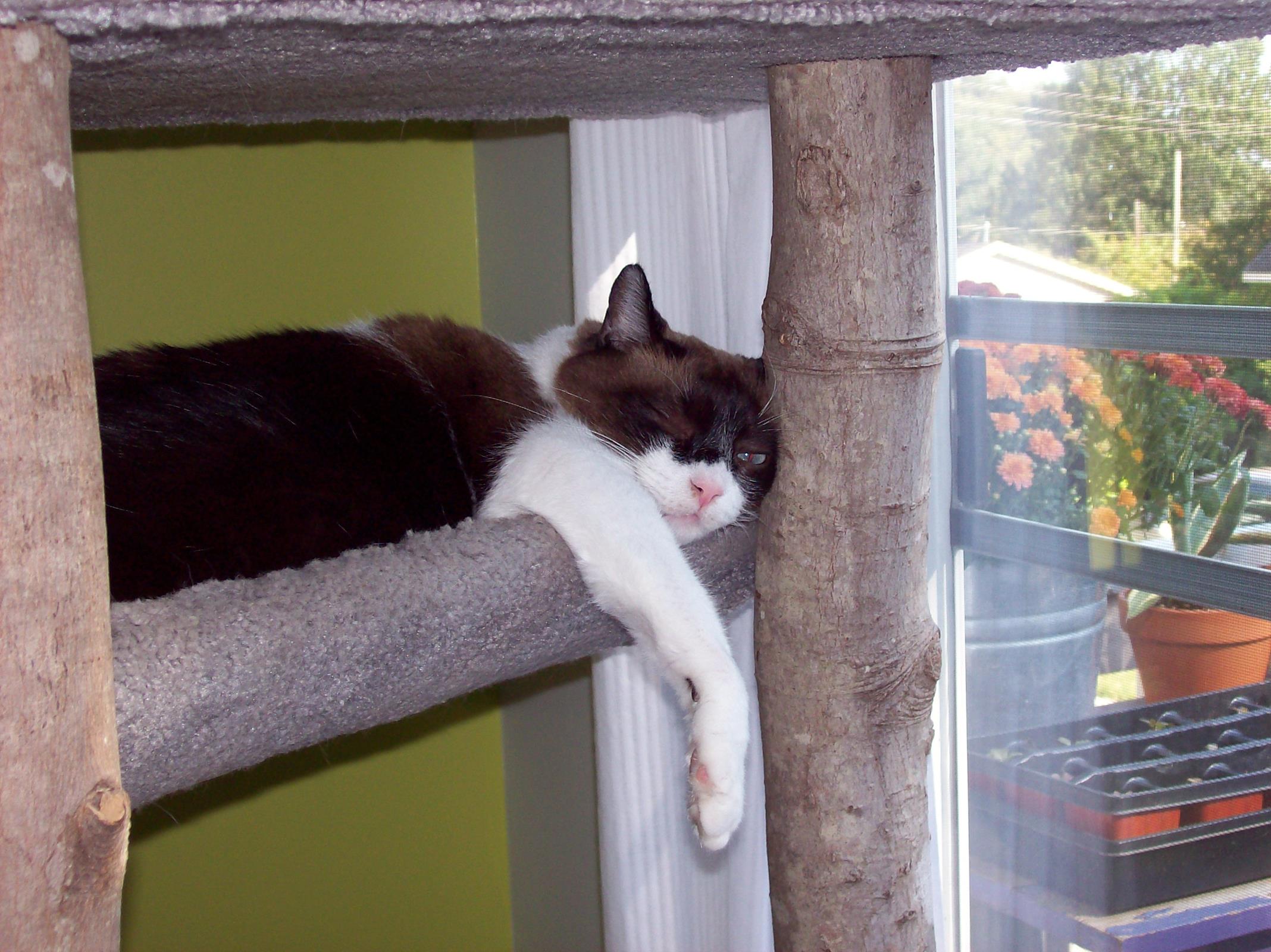
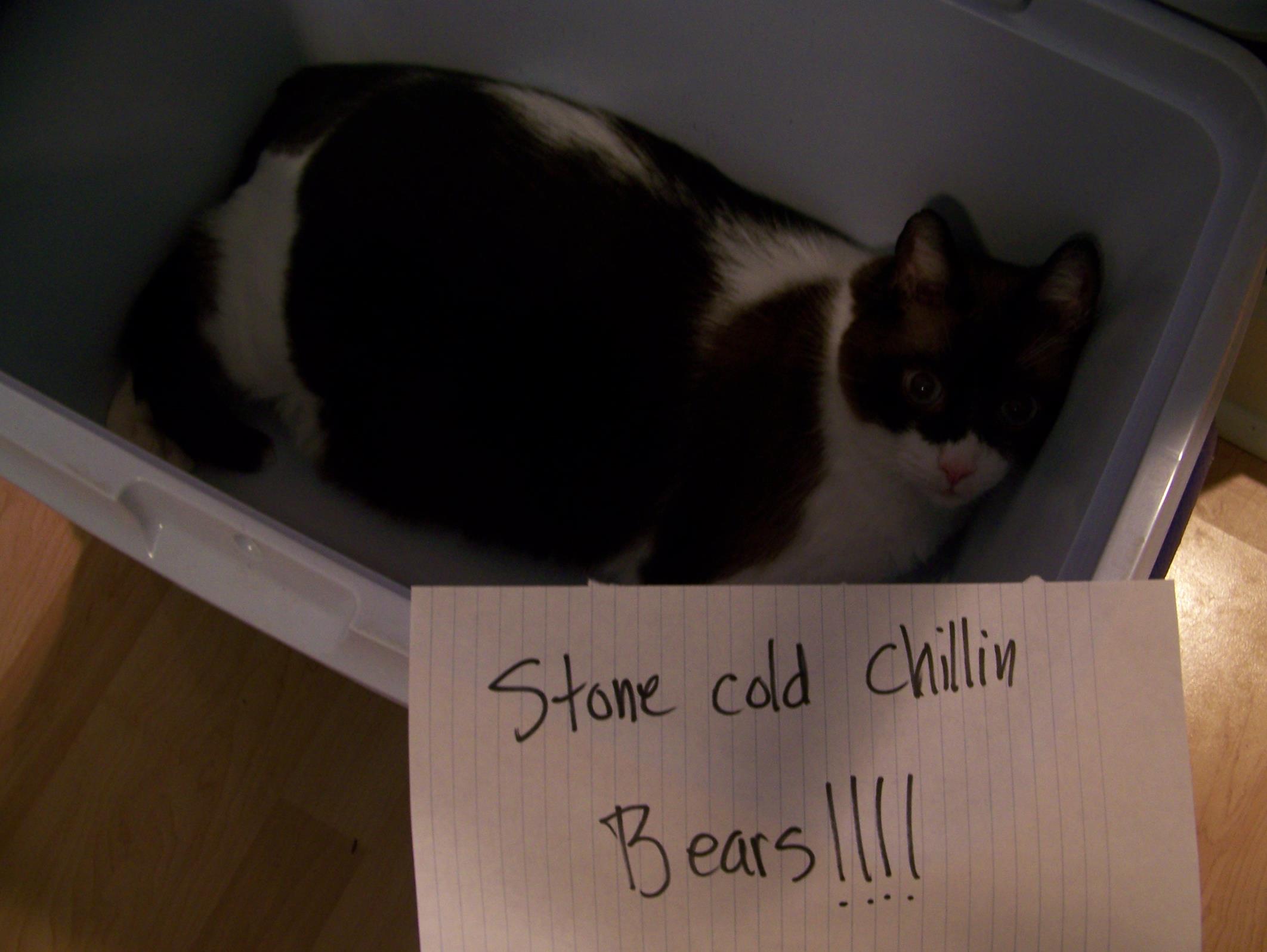
Picture 054 (Copy)
196 (Copy)

We decided to look a little further into Kodiak’s aggression by x-raying his feet and discovered he had some bone remnants from his declaw. Since the cells for the nail come from the bone, if the entire P3 bone is not completely removed, you get regrowth of nail under the skin. We decided to do surgery to “fix” this, which basically involved re-declawing him.  We did not offer declawing at this feline only practice so it was my first experience with the procedure. I was horrified and sobbing upon his bloody recovery from anesthesia. I will liken it to slaughtering your own cow for a steak dinner. For the majority of people, if they had to kill it to eat it, probably wouldn’t. If clients could watch a video of a declaw surgery and the cat’s recovery post op before electing to do it to their beloved cat, they wouldn’t. Sheltering clients from the gruesome facts is an enormous part of the “cover up” that is happening in veterinary medicine.
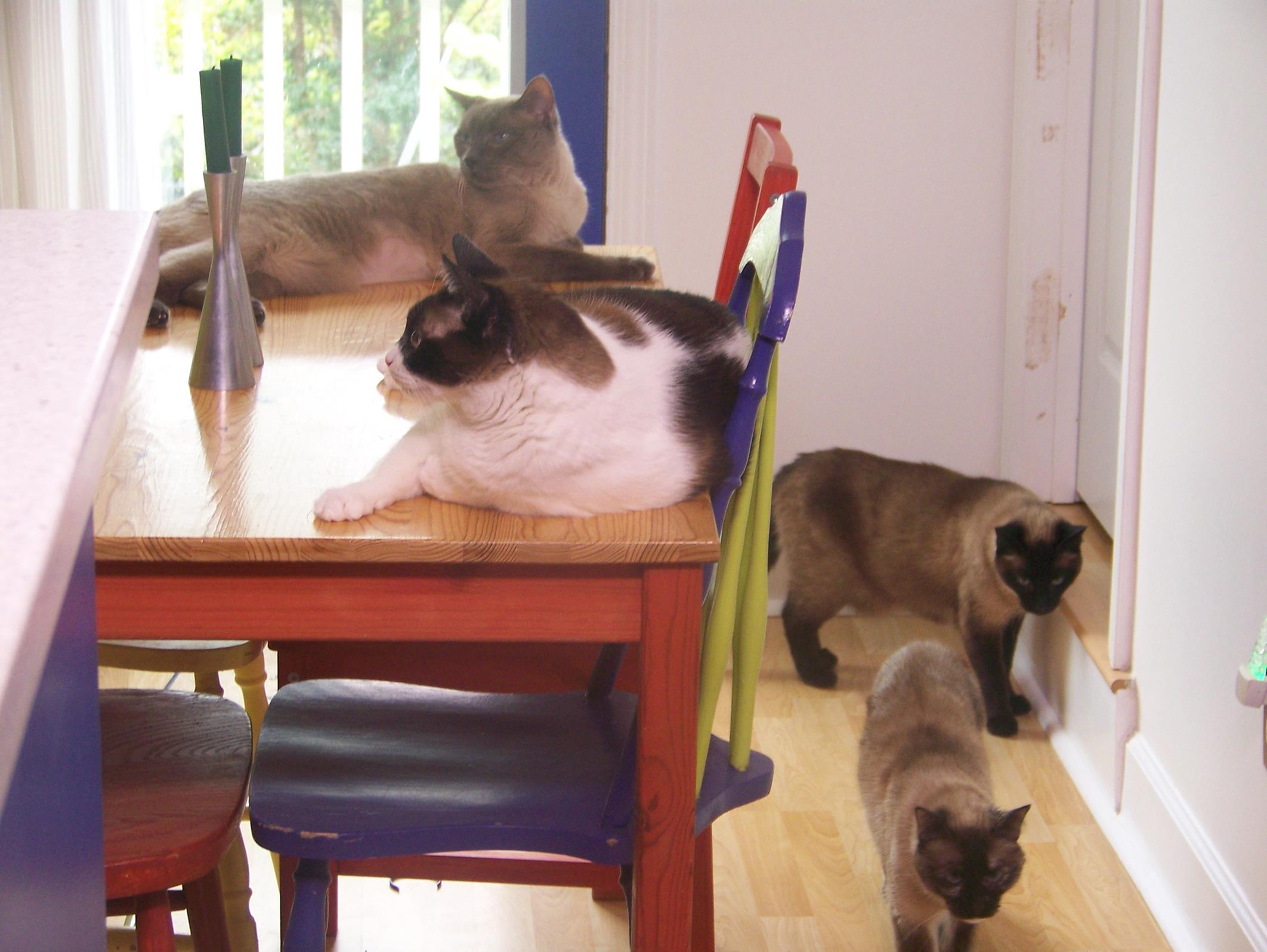
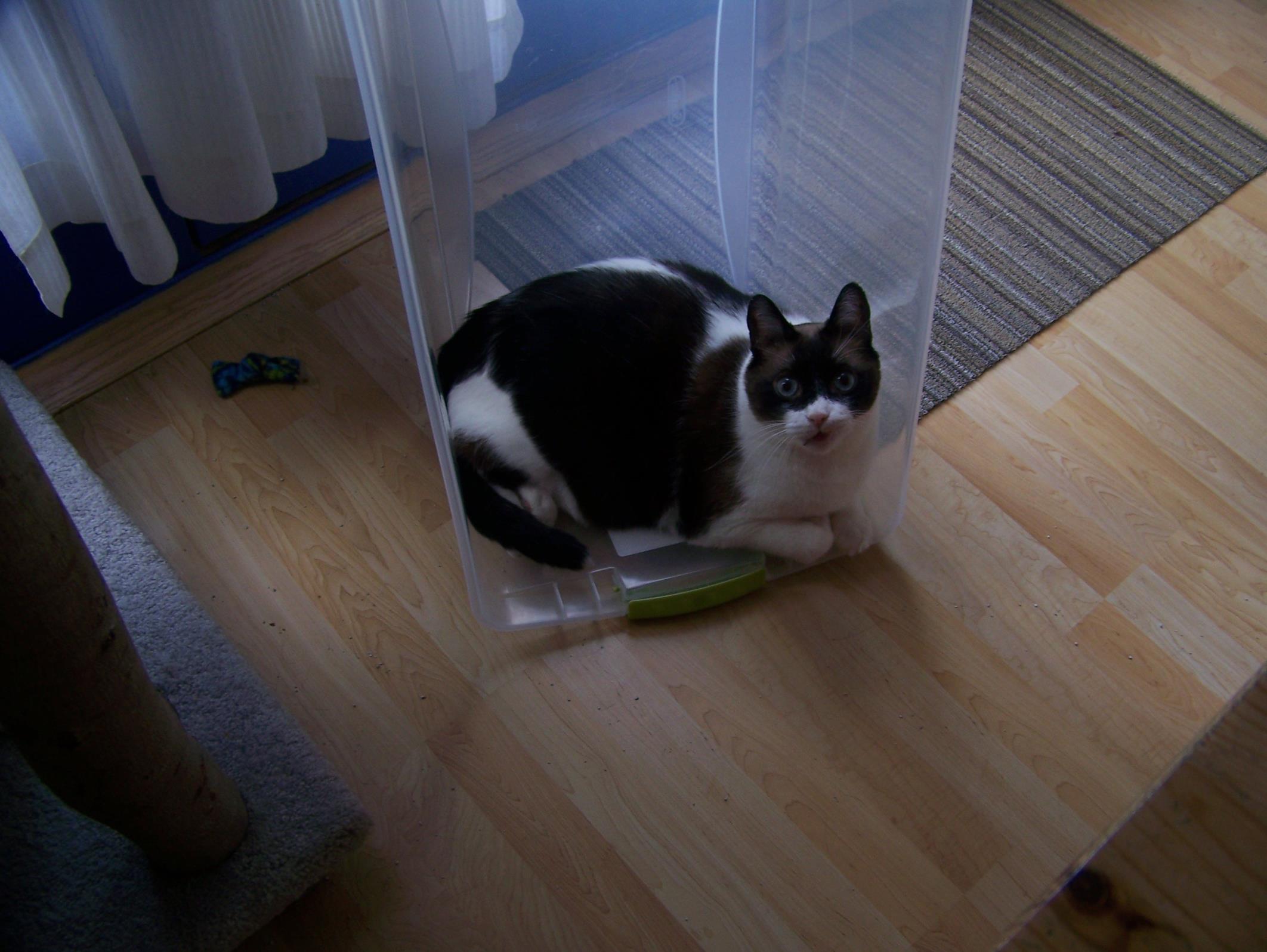
Photo taken during the Cats101 filming on Animal Planet!
More before smartphones photos.

Kodiak could no longer be trusted in the adoption room. He was a liability, so he lived in the back of the hospital where I became extremely attached to and empathetic for him. I’ll never forget the day I saw him scratch on one of the posts at the clinic, it made me choked up that he knew just what to do, remember cats also scratch to scent mark so even without claws the behavior is performed. So I took him home and Jake and I became home number three that I know of, and this would be his last stop because we do not give up on animals, no matter what. The baggage was still there, and we learned to recognize and work with him but you ALWAYS had to watch yourself around Kody Bears. He proceeded to have more re-growths on different toes at different stages of his life. Kodiak was declawed initially and then re-declawed 3 subsequent times. We know more now and we know better; we should have opened up all four feet and just corrected his botched declaw from the start, perhaps two feet at a time, but hindsight is 20/20. Kodiak developed one last regrowth in his senior years but I couldn’t do it to him again. I chose to medically manage him and treat him for chronic pain instead.
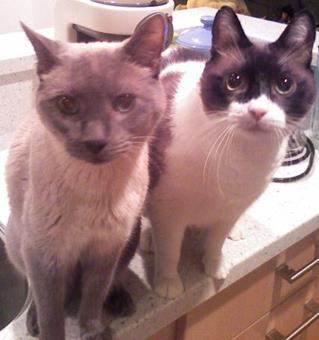
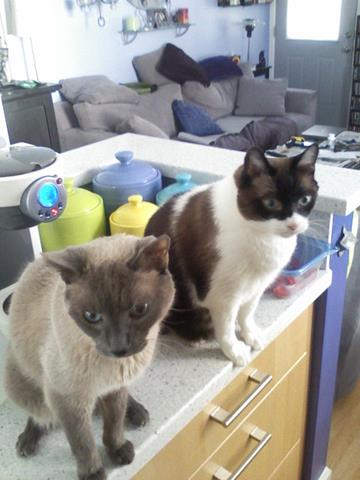
Italiano Bears on the counter, "helping".
Shadow and Kodiak.
Shadow and Kodiak.
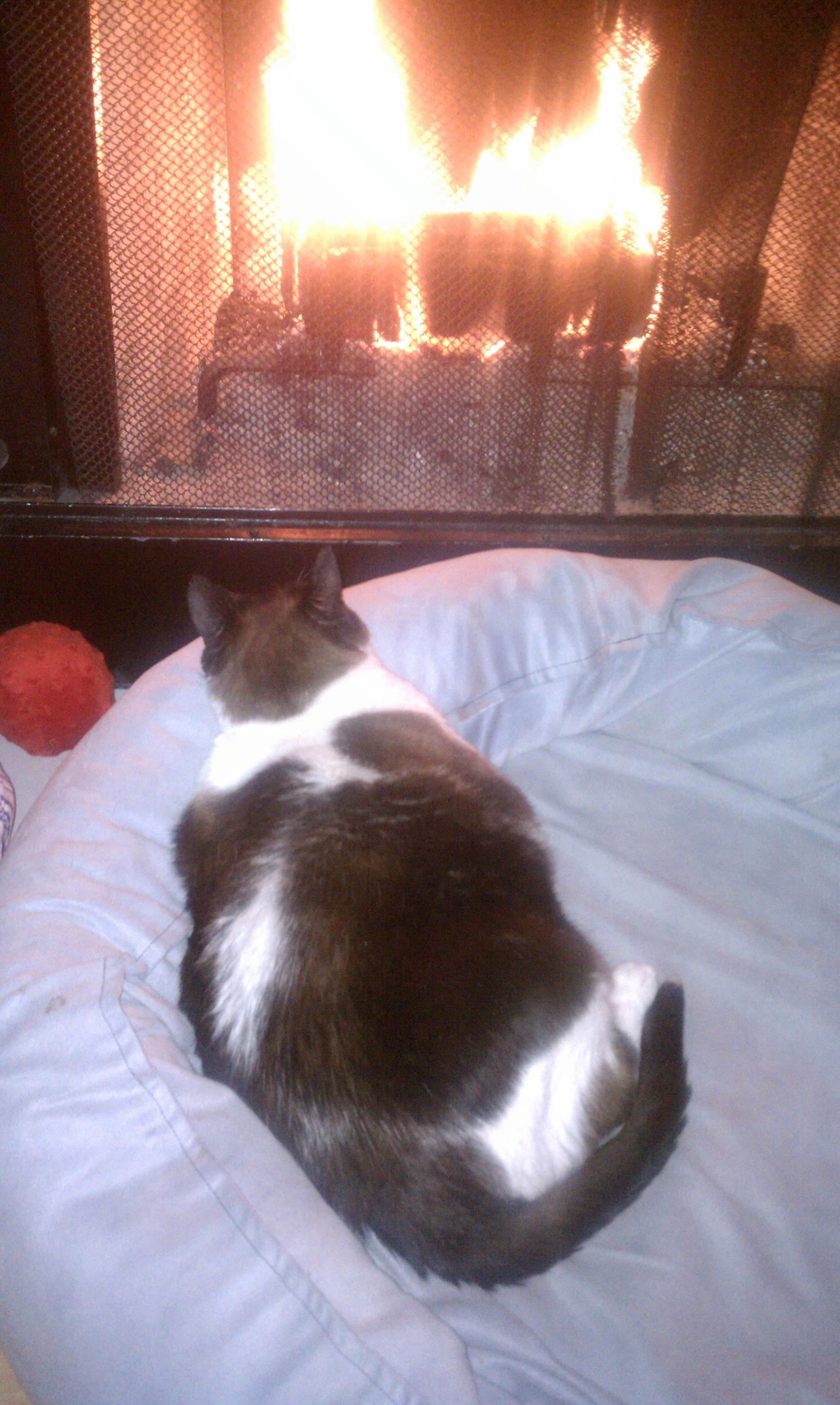
Fireside Bears.
Fireside Bears.

Kody had another good friend at the clinic, Charcoal. Honestly, I was having a hard time choosing between which of the two I would adopt. One Saturday when I was off from work, I got a call from one of the other techs asking me to choose because a family was interested in both of them but only wanted one cat. I was in tears, I couldn’t! I know I picked one, I think it was Charcoal, but I honestly cannot remember. I was nauseous when I arrived that next Monday morning wondering who was going to still be there waiting for me. They were both there! We adopted them as a pair. You will meet the stunning Charcoal next month.

Kodias Bears! So many nicknames for this one, OMG! Bears was also quite the chef, he assisted Jake in the kitchen nightly and ate most everything offered that was of course non-toxic. We used to call him “Italiano Bears!” His dream was to go to Italy and have bruschetta, boy oh boy did he love cheese. No matter what we called him, his name always ended on the plural and that carried over to pretty much everybody, we don’t know why, it’s just what we do! He also enjoyed sparkly puff balls and regularly did the “calling” behavior that I so adore.
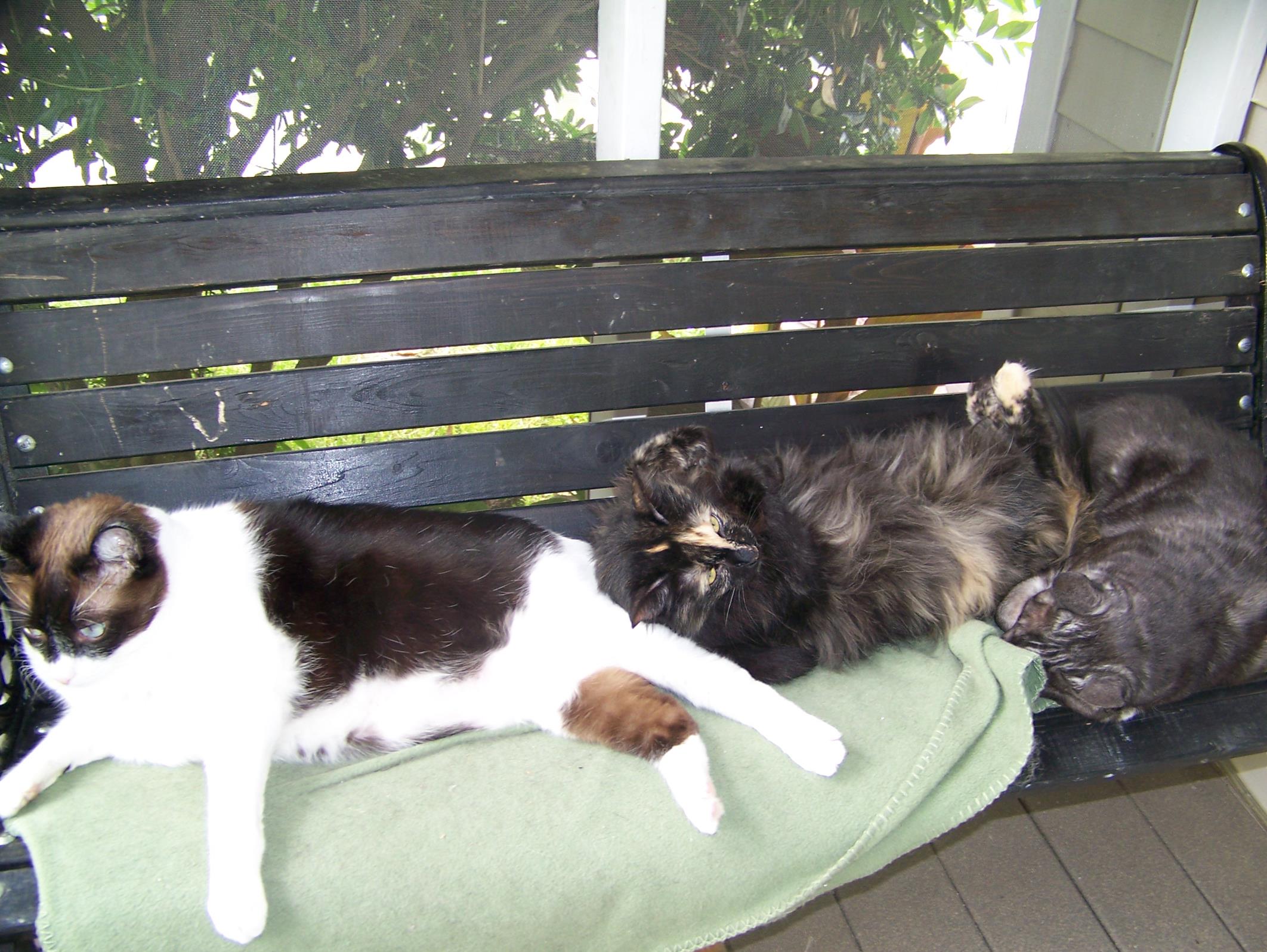
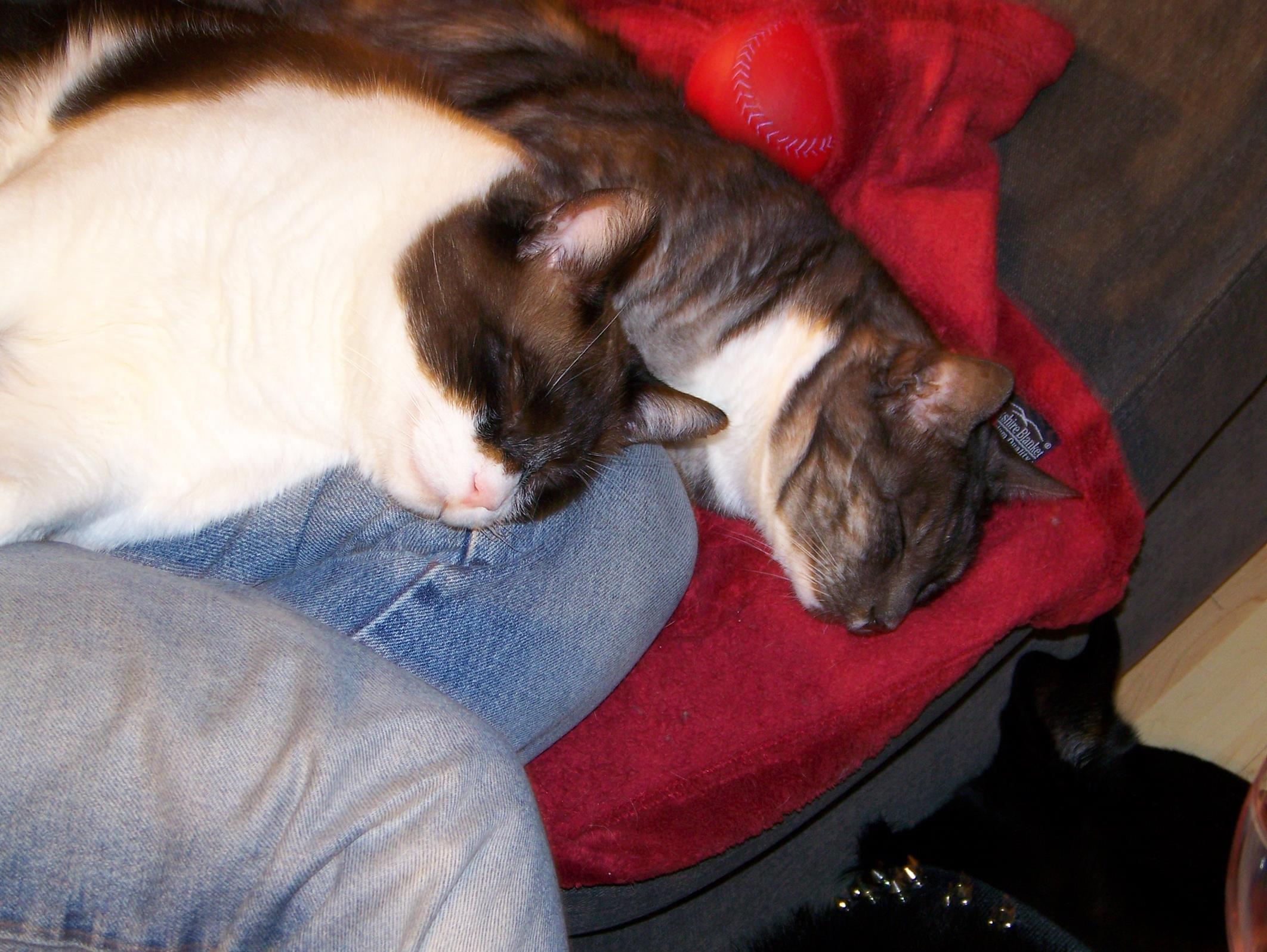
Bears, Wiccas and Charcoal.
Charcoal and Bears cuddling with Grant below.
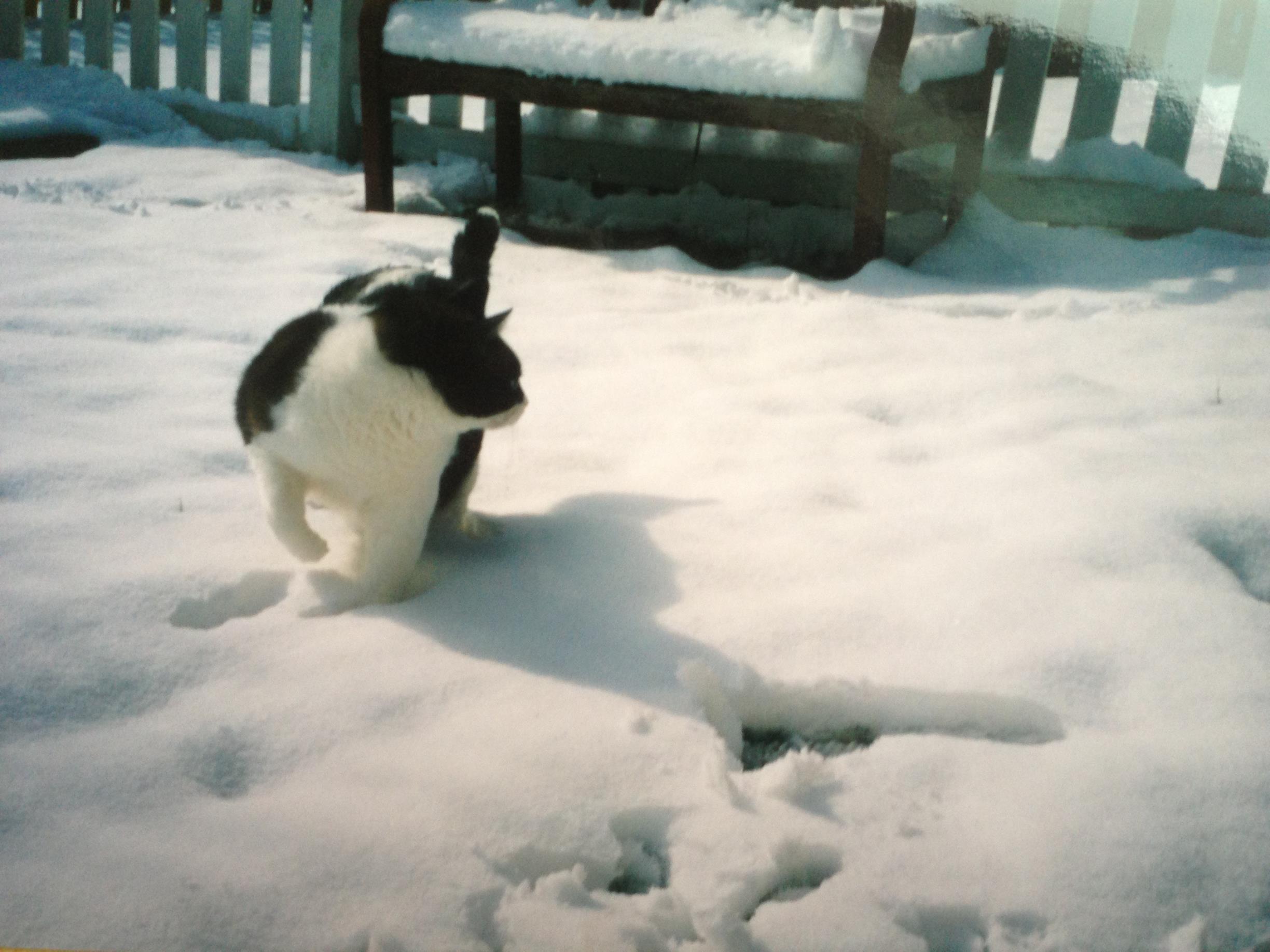
Being a "real artic bear" in he snow.
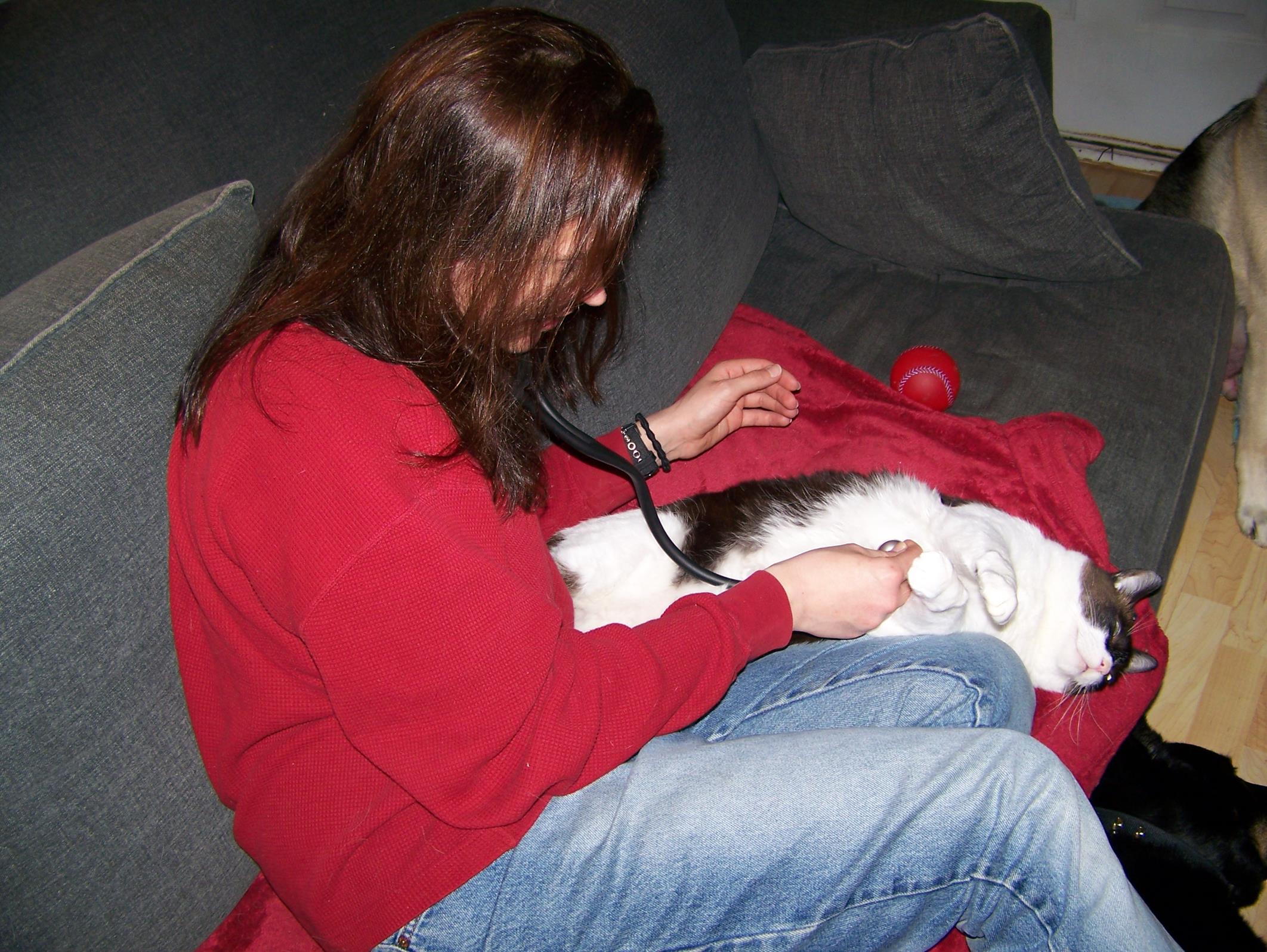
Trying out my new stethoscope.
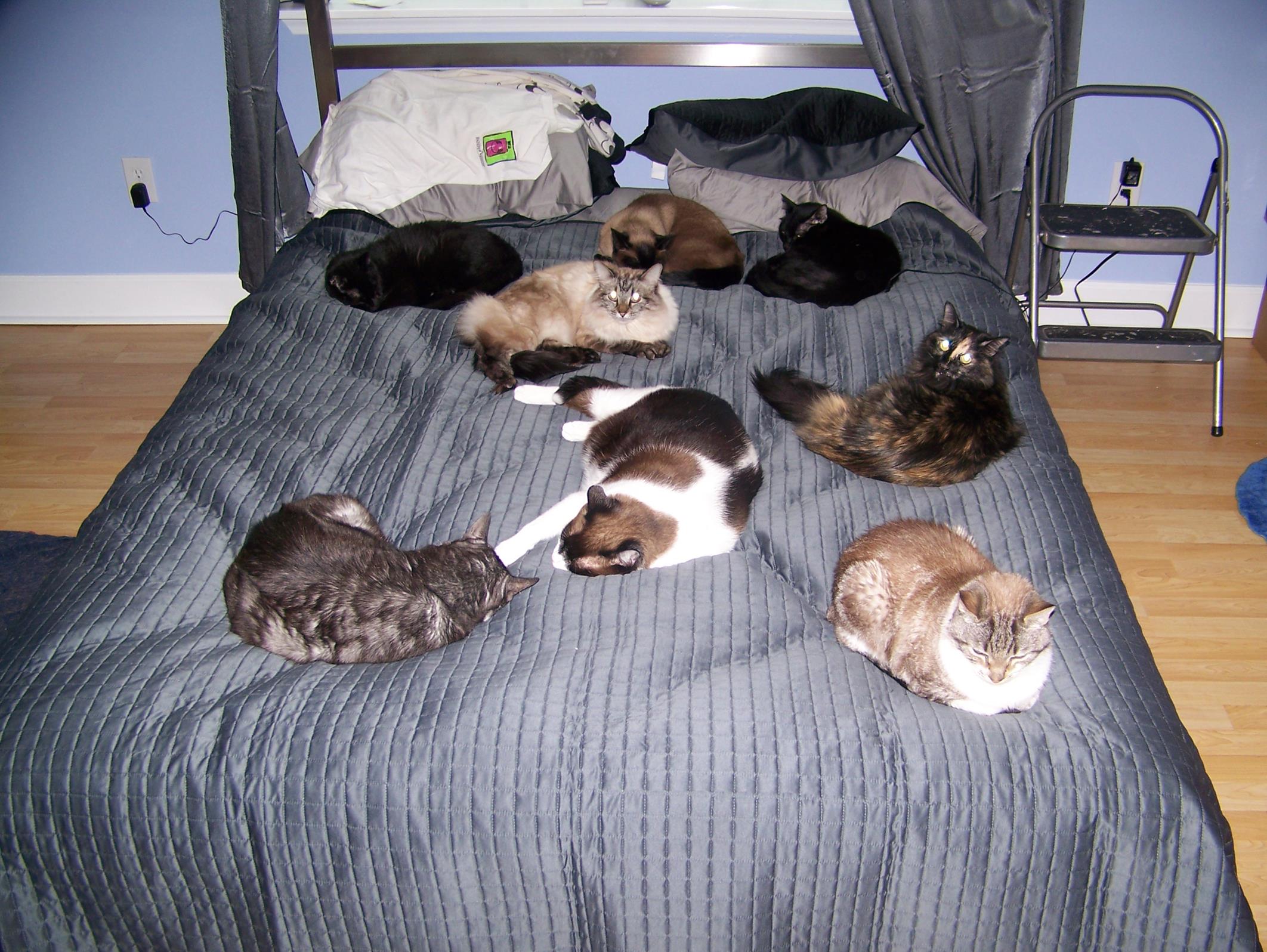
I LOVE this pic! Eleven on the bed at once is our record.

This cat remained unmanageable at the vet for the rest of his life. I would bring him up for his annual visits and we would examine and vaccinate him in the car. The vet’s office was associated with horrific pain. Another result of these procedures is that cats often miss out on veterinary care due their temperament, or they must be sedated for appointments due to their increased aggression.

One morning I woke up and found him deceased in the red room/extra bedroom. I yelled to Jake who came running out of bed, he and Jake were super tight. It was ok, for Bears this was the best way for him to leave us. I hate not being able to say goodbye, I much prefer to nurse and spoil them. I know everyone is different, but I personally loathe it when they are ripped away from me, but for Bears this was for the best. He hated the vet and the last thing I would’ve wanted was a struggle at the time of euthanasia.
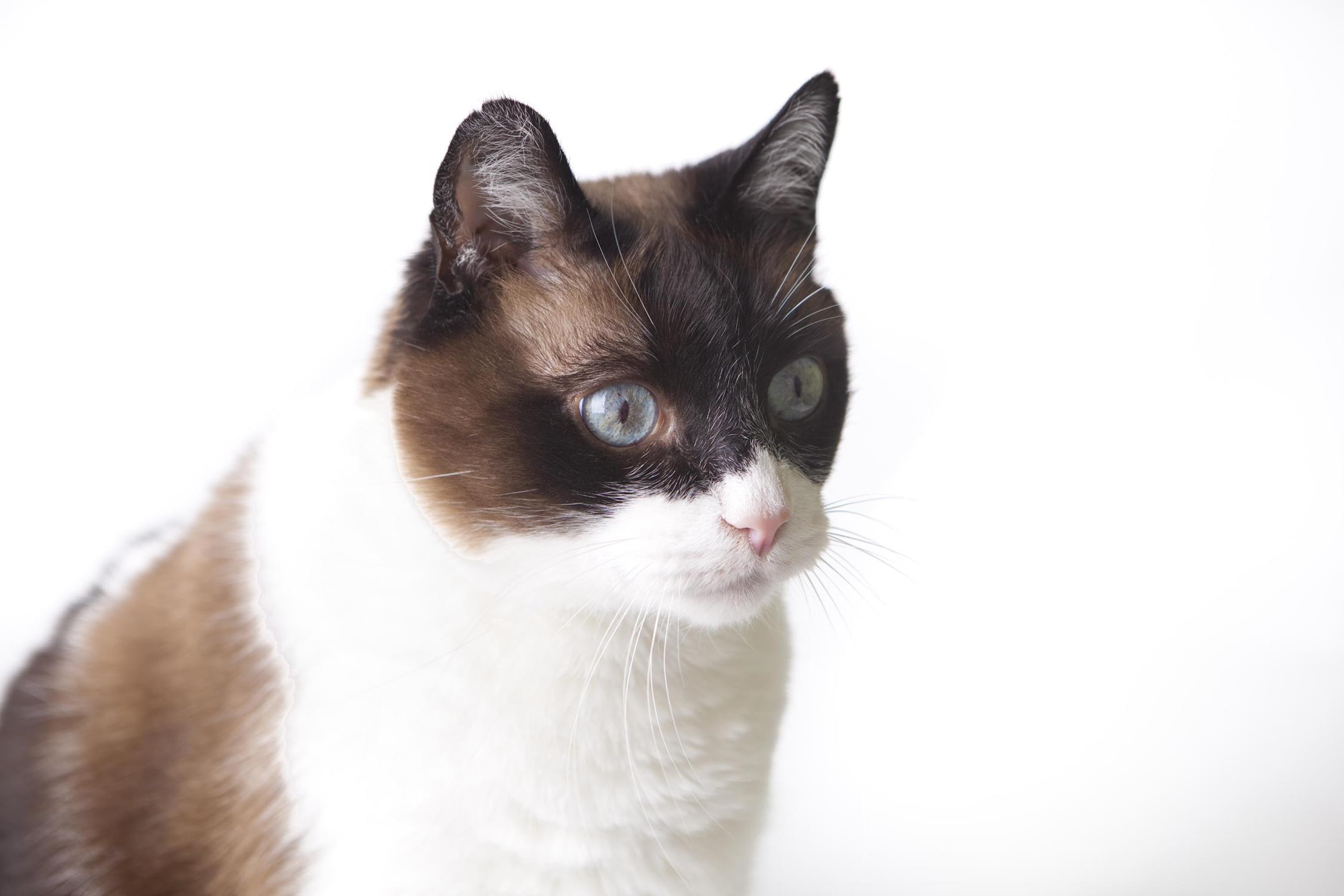
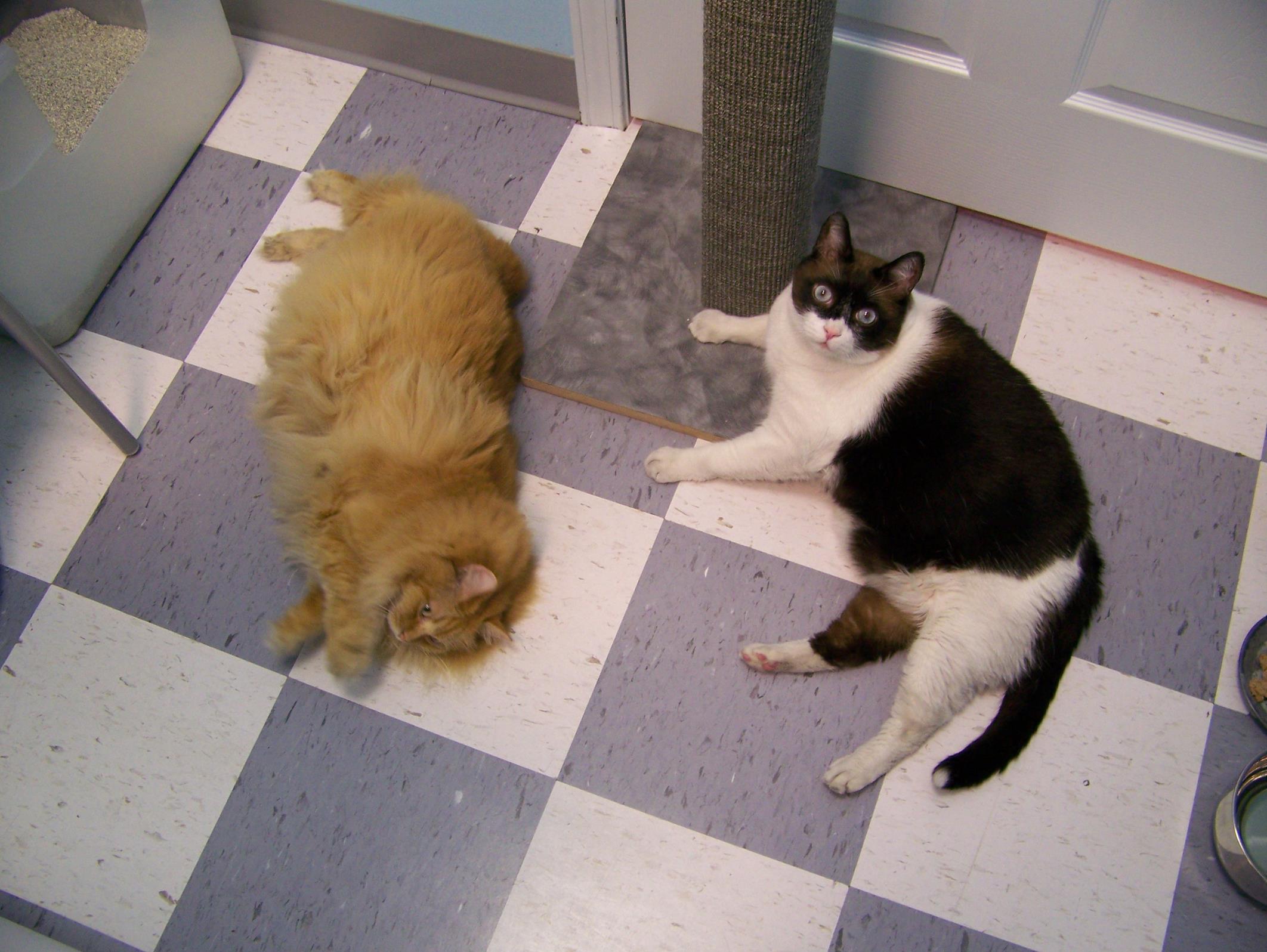
His "school boy" photo.
Living at the clinic post housefire.
Beached whale Bears.
_MG_2755 (Copy)
_MG_2366 (Copy)

If you must alter a species to the extent of a 10-toe amputation (or worse, all 18 toes) just to be able to live with them, then I ask, why have you chosen this species with which to share your home? Scratching is an innate feline behavior; it would be like asking a dog not to bark or a bird not to fly.

I leave you with a quote from Jeremy Bentham, “The question is not “Can they reason?” nor, “Can they talk?” but, “Can they suffer?“

The answer? Yes, indeed cats can suffer and they do so at the hands of their doctors every day in this country. It is time to end the suffering. I hope this story has moved you to join the crusade to end declawing in the United States. Please consider joining or donating to the Paw Project and help us end this madness.

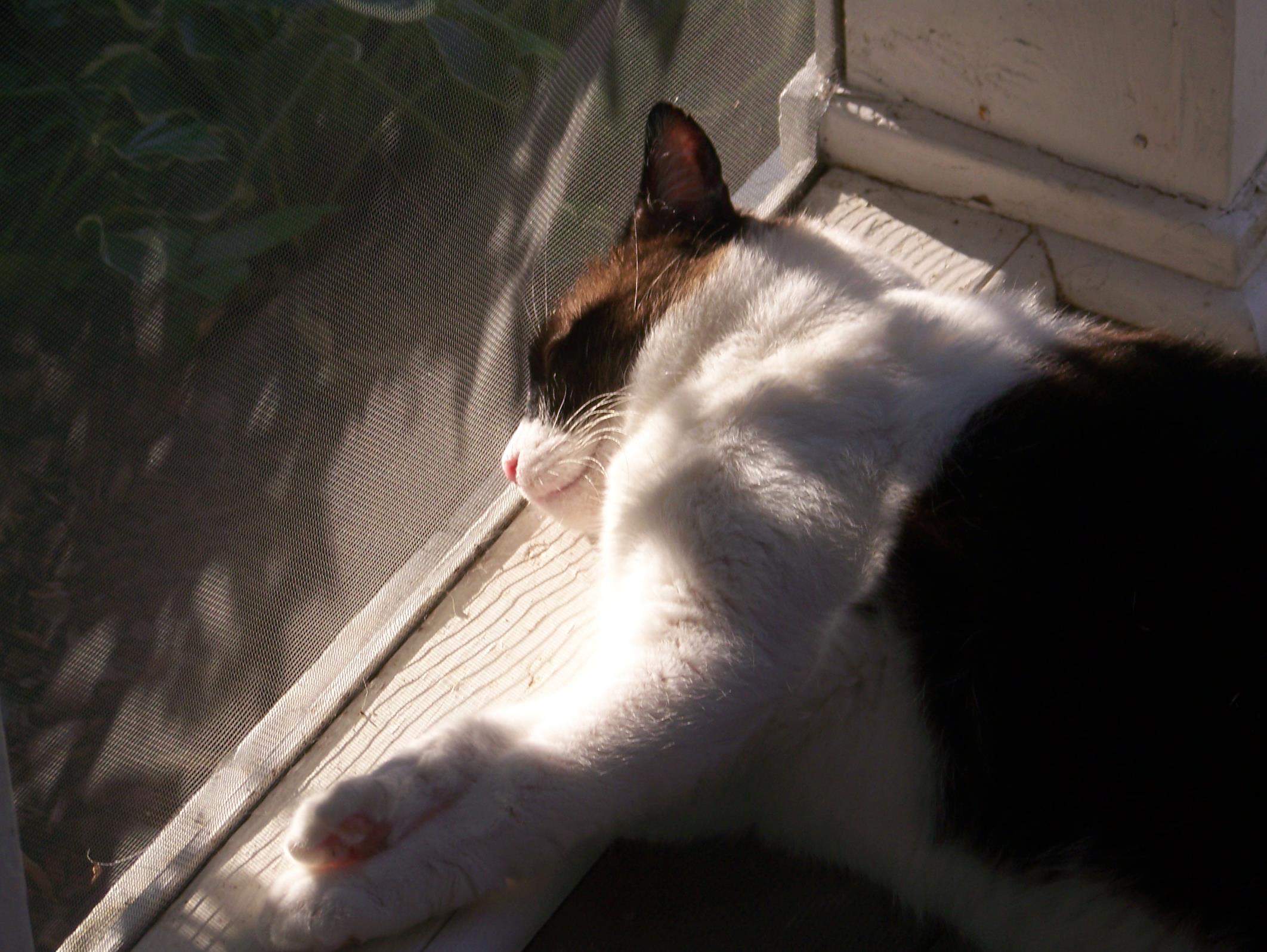
On behalf of the memory of Kodiak Bears please stop the suffering.
Picture 085 (Copy)

Filed Under: Muses Tagged With: atlanta cat behavior, declawing, fundamentally feline, kodiak bears, paw project

How To Trim Your Cat’s Nails

This video guides you through the nail trimming process step by step. It analyzes the anatomy of the cat’s nail, how the nail grows, how far to trim, and tips on making it a positive and successful experience for for humans and cats alike.

Filed Under: How To Video Tagged With: cat nail care, claw clipping for cats, declawing, feline nail care, fundamentally feline, How to trim a cat's nails, nail care for cats, Nail trims for cats, positive nail trims

Declawing

Declawing is a controversial procedure, and many myths surround declawing. It is important that you understand why cats scratch, what declawing does, and what a cat experiences as a result.

What is declawing?

Declawing is the amputation of the first digit of each toe, comparable to taking off your fingers at the first knuckle. It is not a simple “nail” removal as the popular myth states.

It is an extremely painful procedure, and causes your cat great stress, not just right after surgery but also during the recuperation period and often for weeks and even months afterward.

If the procedure is not done correctly, the cat can lose part of her pads or, more commonly, there may be painful deformed re-growths that require additional surgery.

What is the effect of declawing on a cat?

Declawing can result in medical, emotional, and behavioral problems. The effects may appear immediately, or may occur even years after the surgery.

Medical issues: Declawing is an unnecessary amputation that is illegal in many countries and is being outlawed in areas of the United States. Re-growths (explained above) can cause the cat so much pain that she is unable to walk or even stand. A cat bears about to 60% of her body weight on her front limbs. After declawing, she is forced to bear that weight on parts of her feet that are not intended to support her weight, so there can be bruising or lameness even years after surgery. We have seen cases where cats have had to undergo multiple “re-declaw” surgeries after experiencing re-growths on different toes at different times. Surgery is the only way to relieve their pain, which is similar to what you’d feel walking barefoot on broken glass.

Emotional issues: Your cat may withdraw and go into hiding after this surgery. She will feel helpless because you have taken away her primary defense. A declawed cat may resort to biting because you’ve left her no other way to ward off an unwanted advance.

Behavioral issues: Declawing a cat can lead to numerous behavioral problems including litter aversion, aggression issues, and biting.

  • Litter box aversion occurs because the cat must stand in litter and bear weight on her mutilated toes, so she may associate pain with the litter box. Although many veterinarians recommend using soft litters or shredded newspaper after surgery, this does not necessarily prevent infection or pain associated with use of the litter box. Many of the cats we see with behavioral litter box aversion problems are declawed.
  • Another serious consequence of declawing is aggression. Declawed cats tend to be more aggressive during vet visits, most likely because they associate their painful feet with a visit to the vet. These cats are often highly fractious and difficult to manage. You may incur additional expenses related to this behavior, such as sedation before your cat can be examined or treated. These cats are so terrified that they will use every defense mechanism they have remaining. Unfortunately, many owners and even some vets mistake a cat’s fear for being “mean”, and their subsequent handling of the cat merely reinforces their fear.
  • Often expectant parents are concerned about their cat possibly scratching a child. A cat will only scratch a human if provoked by fear or pain. If you teach the child how to touch the cat appropriately, and provide safe areas where the cat can escape the grasping hands of the child, the cat will not injure your child.
  • A cat’s first line of defense is her claws. When that option is taken away, she must resort to biting. Anyone who works with cats will tell you that a scratch is preferable to a bite wound any day! A bite is more dangerous due to the risk of serious infection.

Even if you keep a declawed cat indoors, accidents happen: windows get left open, or a visitor leaves a door open… A declawed cat is in grave danger if she ever gets outside alone! Not only is she defenseless, but she is seriously hampered if she tries to catch something to eat. She’ll be unable to flee from dogs and other dangers by climbing.

Why do cats scratch?

Scratching is a normal feline behavior. There are many reasons why a cat may scratch, which include:

  • Marking: cats have scent glands in the pads of their feet and they scratch to leave scent marks. They often do this to mark the belongings you share, such as the sofa.
  • Shedding the outer sheaths of the nail: a cat’s nails grow in layers (like an onion) and they need to scratch to shed the outer nail sheath, or the nail could continue to grow into the foot pad.
  • Relieving stress or frustration: some cats may increase their marking (such as scratching and urine marking) when they are anxious.
  • Stretching: watch how your cat s-t-r-e-t-c-h-e-s as she scratches to flex her spine.
  • Exuberance: sometimes your cat scratches just because it feels good!

How can I stop my cat from scratching?

You can’t. It is impractical and unfair to expect cats to stop scratching entirely. You can try to understand and meet their scratching needs so that they won’t damage your belongings.

Read the Feline Scratching Behavior handout for more information on how to focus your cat’s instinctive need to scratch in appropriate ways.

Myths about Declawing

I have to declaw my cat because she’s damaging the furniture.

Cats will scratch; it’s part of their nature. The key is to provide alternative scratching areas. Good scratching posts, made with the right material, placed in the right locations, are more attractive to your cat than scratching the furniture. Cats prefer to scratch in pathways, high traffic areas where you and they pass through each day. This is where your scratching posts should be placed.

My other cat is declawed.

Indoor cats rarely use their claws on each other, so your declawed cat should not have problems with another cat that still has claws. For example, look at the dozens of cats that live together at cage-free shelters. Most of those cats have claws, but some do not, and they all get along just fine.

I don’t want my cat to scratch the children.

Cats are no more likely to scratch a child than they are to scratch another cat: it won’t happen unless the cat is provoked. Teach your children how to gently pet and play with the cat, and how to watch for signs that the cat is getting over-stimulated or stressed. Keep the cat’s nails trimmed!  It’s easy, it’s painless, and it can help to avoid accidental scratches and hurt feelings. Remember that a scratch wound is far less serious than a bite wound, but a declawed cat has only one choice for defense!

What about a tendonectomy?

Tendonectomy involves severing the tendons to the cat’s toes so she can’t control her claws. There is a high rate of complications, you still need to trim the cat’s claws, and the cat can still claw to some extent. This is not an acceptable option.

My family doctor said that getting scratched could be dangerous.

Doctors often raise the issue of cats scratching when a person has a blood clotting disorder or certain other diseases. Often the doctor is uninformed about the reasons why a cat might scratch and unaware that a more-dangerous bite is more likely to occur if the cat is declawed. Most cat scratches are not deep enough to pose a problem even to a person who is taking blood thinners. In fact, the CDC, Center for Disease Control, does not recommend declawing for immune compromised individuals. With reasonable care, you can safely co-exist with your cat and her claws.

Resources

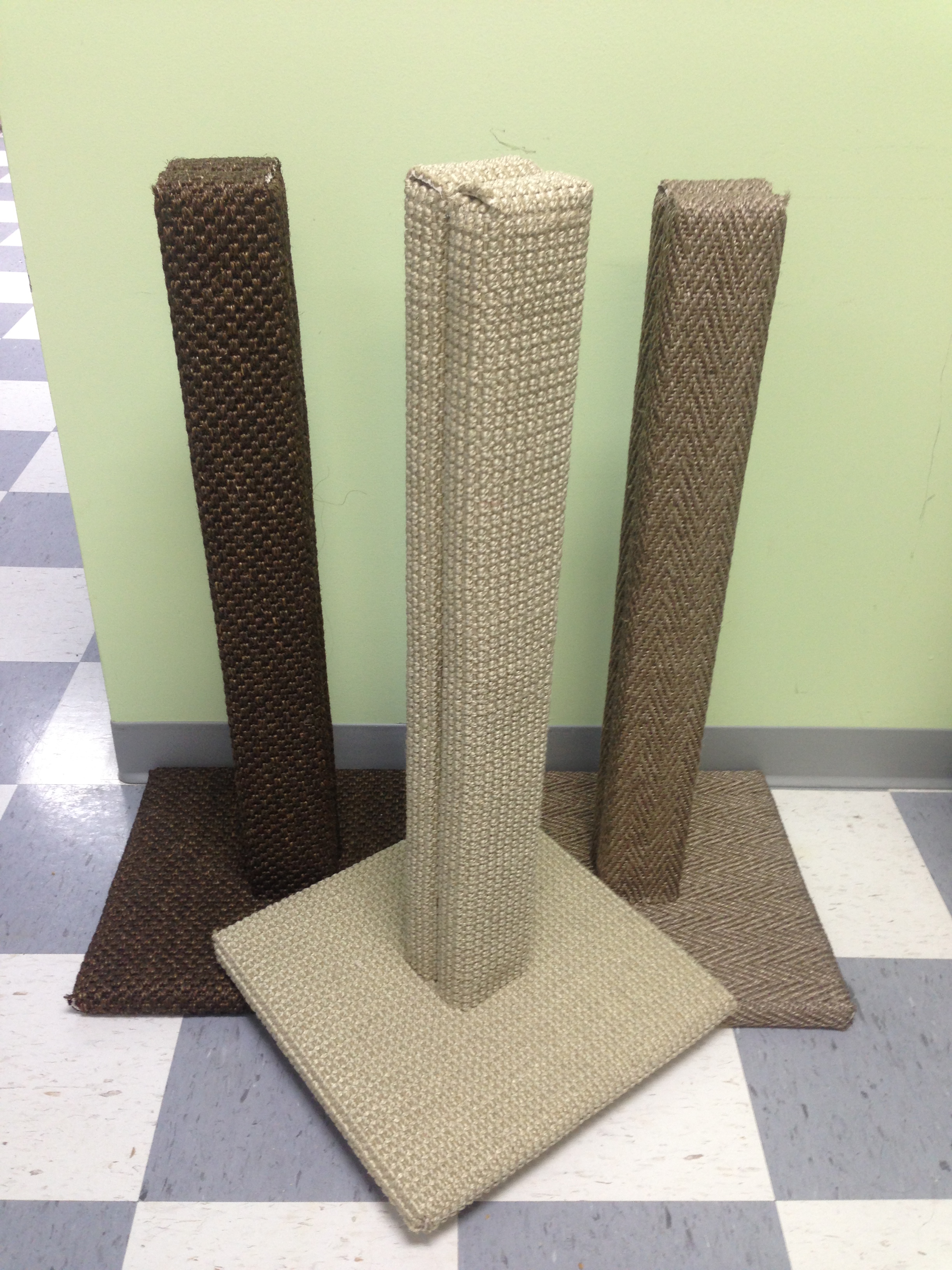
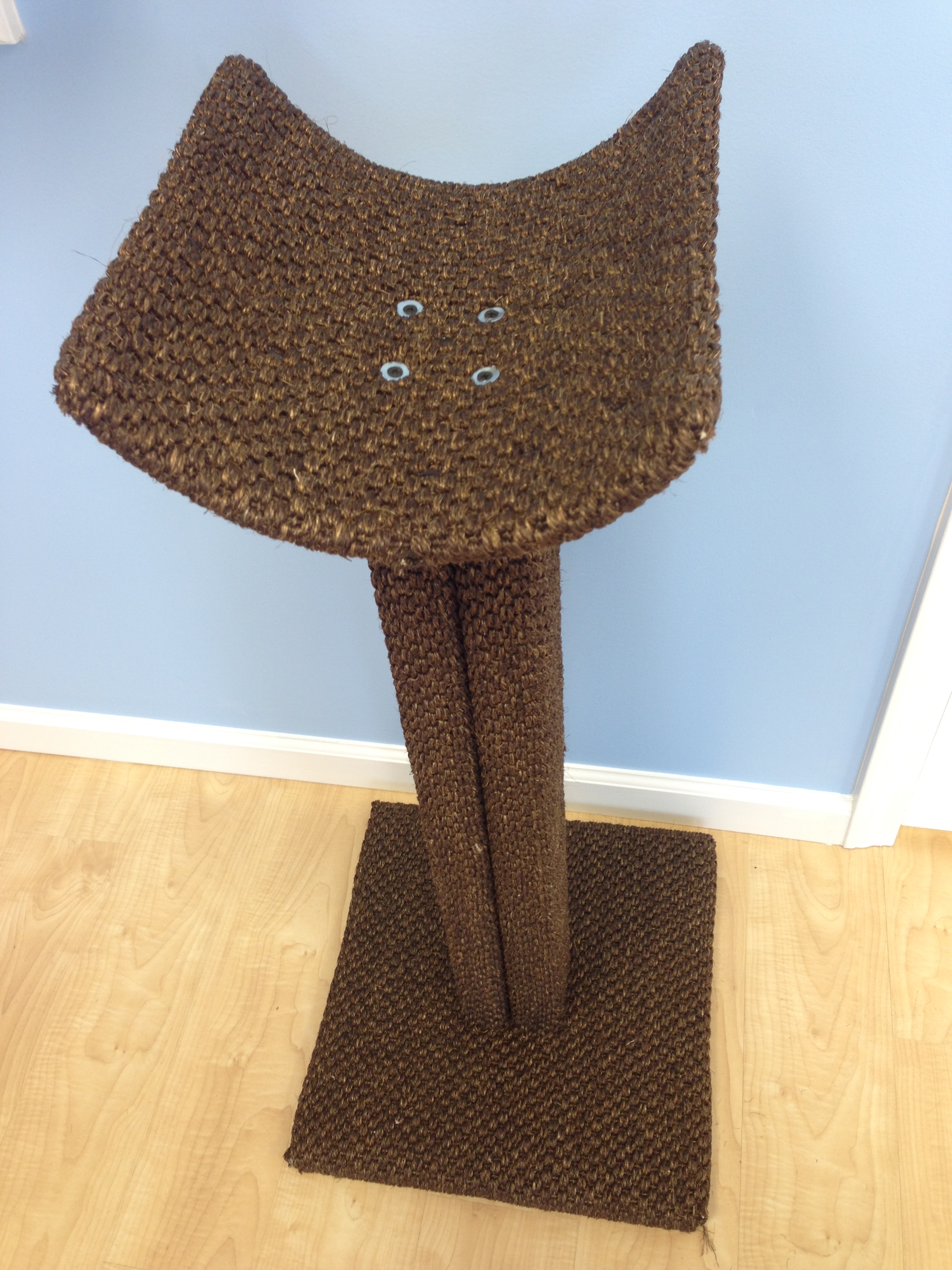
  • The 100% sisal-weave scratching posts, ramps, and pads available through www.FundamentallyFeline.com work better than any other post that we have seen. They are designed to meet your cat’s needs for a tall, sturdy scratching post, and are meticulously hand-crafted.
  • Keeping your cat’s nails trimmed will minimize damage done if your cat occasionally strays from the post.
  • Read the Feline Scratching Behavior handout or watch the How-To video on this website entitled “How Does Your Scratching Post Measure Up?” to learn about selecting and placing scratching posts, and other related information.
  • As a last resort, there is a product called Soft Paws. They are plastic caps you put on the tips of a cat’s nails using a non-toxic adhesive. Most clients find this alternative to be tedious and unnecessary. The caps can pop off, and they need to be reattached periodically as the cat’s claws grow. Cats sometimes find it frustrating to have the nail caps glued on, because their nature tells them to remove the outer nail sheath. Soft Paws are a temporary fix because they will not change the cat’s behavior, they just curb the destruction.

The bottom line

There are many reasons why cats scratch. We’ve explained some of the many reasons why declawing is not the answer to undesirable scratching behavior.

The non-surgical alternatives are less expensive and less painful than declawing. It’s never necessary to amputate her toes to stop your cat from unwanted scratching!

If you feel that you must have a declawed cat, adopt a cat that has already been declawed.

If you still feel the need to declaw your cat, even after learning exactly what declawing is and how it can affect your cat for years to come, we strongly recommend that you consider finding another home for the cat. That way, she will not have her toes amputated, and won’t risk developing one of the many medical or behavioral problems that frequently result!

Visit http://www.pawproject.org/ to learn more!

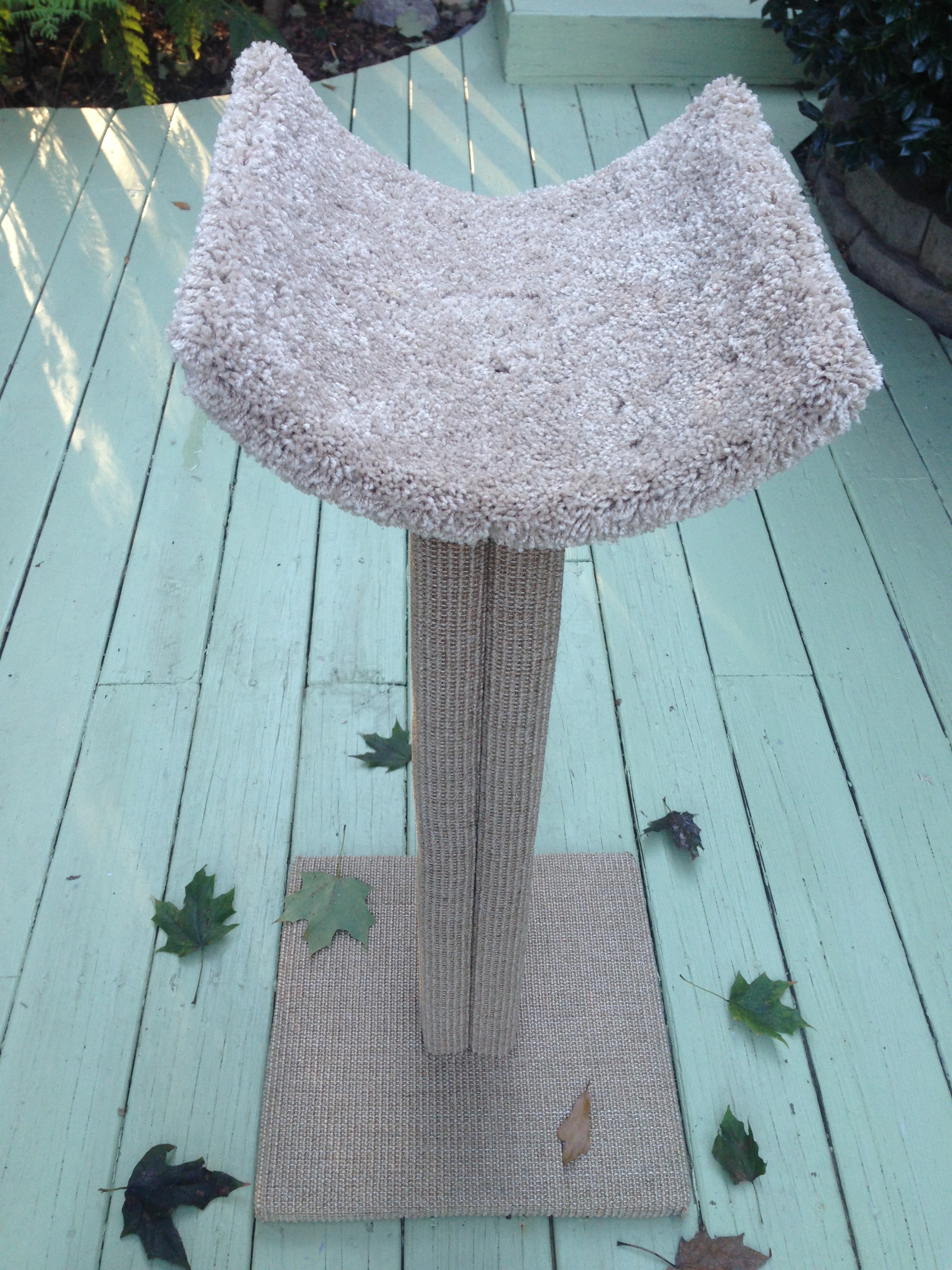
Post with bed on top in attractive home decor colors.

Ensure posts match home decor to maximize placement.

Attractive posts will be placed in more prominent areas.

Download Handout PDF

Filed Under: Hand Out Tagged With: amputation, declawing, inappropriate scratching, onychectomy, scratching problems in cats, the Paw Project

Footer

Insured and Bonded via Business Insurers of the Carolinas

Copyright © 2026 Fundamentally Feline

0
Your Cart (0)
Your Cart is Empty!

It looks like you haven't added any items to your cart yet.

Browse Products
Apply a promo code
Subtotal
Shipping & taxes calculated at checkout.
$0.00
Checkout Now
Powered by Caddy